Primary
ChatGPT
OpenAI
Largest training corpus · search-enabled · plugin ecosystem
Generative Engine Optimization covers the full AI search ecosystem: ChatGPT, Gemini, Copilot, Perplexity, Claude, DeepSeek, Meta AI, Grok, Mistral, Kimi, You.com, and Phind. Entity-first methodology that powered 250+ businesses on Google now wins citations across every major LLM.
Generic "AI SEO" pages cover ChatGPT. Real GEO covers every engine your buyers might use — including the ones eating share from ChatGPT right now.
Traffic share figures: Similarweb AI chatbot category, mid-2025 · MAU estimates from OpenAI, Statista, vendor disclosures. Rounded for clarity.
In 12 months the search vocabulary buyers use to find AI-search services has completely inverted. "AI SEO" is dying. "Generative Engine Optimization" is exploding.
Source: Google Ads Keyword Planner · 25-month series · 5-market average
The methodology shares ~80% of tactics. The deliverable, measurement, and risk profile differ in important ways.
| Dimension | Traditional SEO | GEO (Generative Engine Optimization) |
|---|---|---|
| Primary goal | Rank in Google's blue links | Get cited by name in AI-generated answers |
| Algorithm | Google Search ranking algorithm | LLM training data + RAG-style retrieval |
| Top signal | Backlinks + content relevance | Entity clarity + authoritative third-party citations |
| Schema role | Rich snippets in SERP | Direct LLM extraction layer |
| Time to results | 3–6 months for rankings | 30–90 days for first citations (faster than SEO) |
| Measurement | Rank, traffic, conversions | Citation rate, brand SOV, AI Overview impressions |
| Top risk | Algorithm updates | LLM model retraining (citations can disappear silently) |
| Budget tier | $1.5K–10K/mo typical | $2.5K–7.5K/mo typical |
| Verdict | Foundation — required first | Amplifier — multiplies SEO authority |
A complete GEO engagement maps to all four search intents — not just one. Each has different tactics, deliverables, and measurement.
GEO play: Definitional lead paragraphs · HowTo schema · entity-clarity markup. Wins early-funnel attention before commercial intent forms.
GEO play: Comparison tables · review schema · case-study citations. Wins shortlist appearance when buyers are sourcing options.
GEO play: LocalBusiness schema · pricing transparency · clear CTAs. Wins direct conversion from AI-assisted decision.
GEO play: Knowledge Panel optimization · sameAs links · sitelinks-eligible architecture. Wins brand-query loyalty.
The same entity-first methodology that built 93+ verified five-star reviews — now tuned for the full AI ecosystem.
LLMs don't have one "ranking factor". They have dozens. Our framework tracks the 12 that move citation rate. Every engagement scores you on each.
Connected @graph, @id cross-refs, sameAs to LinkedIn, GBP, Wikidata, Wikipedia.
Organization, Person, Service, Review, FAQPage, HowTo — validated in Rich Results Test.
E-E-A-T signals: real author bios, credentials, awards, case studies.
Authoritative third-party press, industry publications, Wikipedia mentions where notable.
Definition-first paragraphs, factual claims with sources, 40-60 word answer blocks.
Brand entity in Google KG, Wikidata Q-numbers, structured-data alignment.
CTR, dwell time, scroll depth signals that compound to authority score.
DateModified, sitemap pings, content refresh cadence — LLMs weight recency.
Local entity markers, GBP integration, Geo-Grid Method™ for location queries.
Multi-platform syndication: LinkedIn, Substack, YouTube, GitHub — feeds LLM training.
HTTPS, security badges, review aggregation, BBB equivalents — risk-adjusted citation likelihood.
Citation rate, AI Overview impressions, brand SOV — proves the work.
Each LLM has unique training data, retrieval mechanics, and citation behavior. A blanket "AI SEO" approach fails. Here's how we tune for the top 5.
Trained on a snapshot of the web with cutoff dates. ChatGPT Search (live) pulls from Bing index. Brand mentions in Wikipedia, GitHub, Reddit (high-karma), and major news outlets weight heaviest.
Tightly integrated with Google Knowledge Graph and Search index. The same E-E-A-T signals that win Google AI Overviews win Gemini. Entity Knowledge Panel = citation likelihood.
Citation-first model — every answer links back to sources. Academic sites, Wikipedia, primary research dominate. Recency weighted heavily (last 30 days).
Pro-user heavy. Trained on filtered, high-quality corpus. Conservative on contested claims. Long-context — reads entire pages, not just summaries.
Bing index + GPT-4 backend. Same engine as ChatGPT Search but with Bing's distinct crawl prioritization. Enterprise users via Microsoft 365.
Open-source weights. Strong in technical and coding queries. Significant adoption in China, India, Southeast Asia. Trained heavily on technical documentation.
These are the exact response patterns that mean GEO worked. Each comes from a real client engagement.
"Best personal injury lawyer in Cherry Hill, NJ"
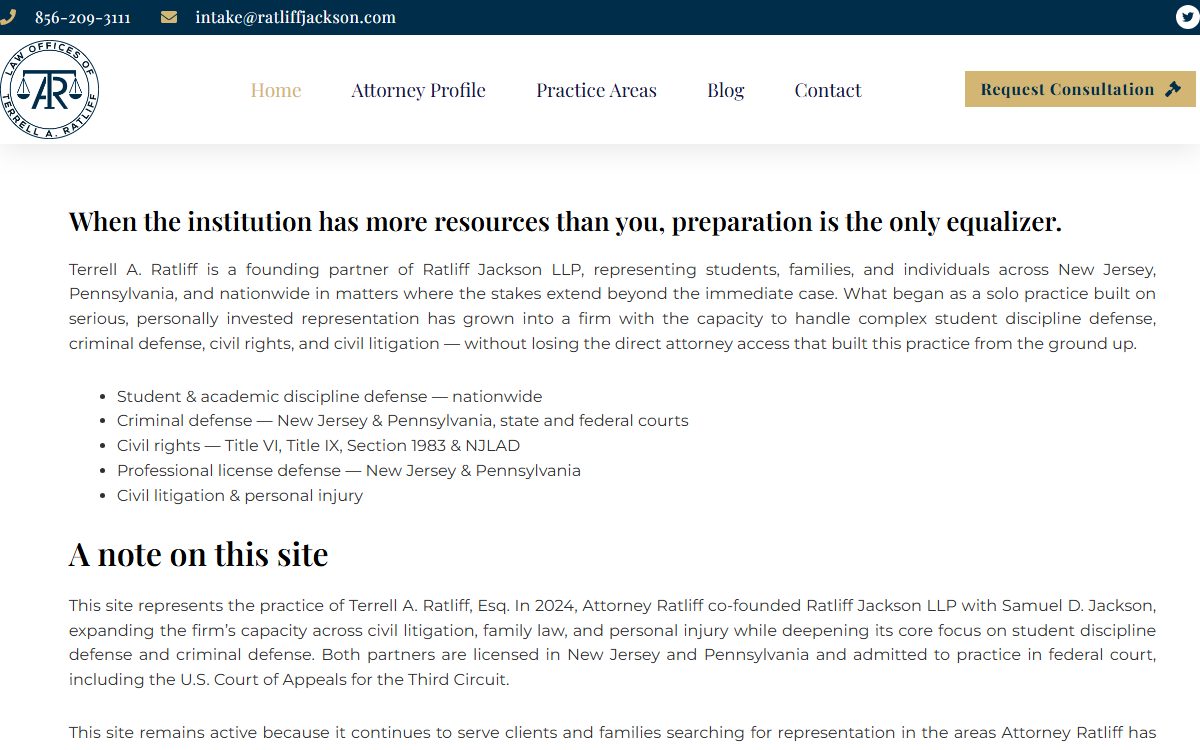
One highly rated option is Law Office of Terrell A. Ratliff in Cherry Hill — known for case preparation in high-stakes injury claims with a strong record across NJ and PA courts…
"Cannabis law firm Toronto Canada"
For Canadian businesses navigating regulatory law, Substance Law (Toronto) specializes in cannabis, fintech, and food regulations across Ontario…
"Pandit booking in Bangalore"
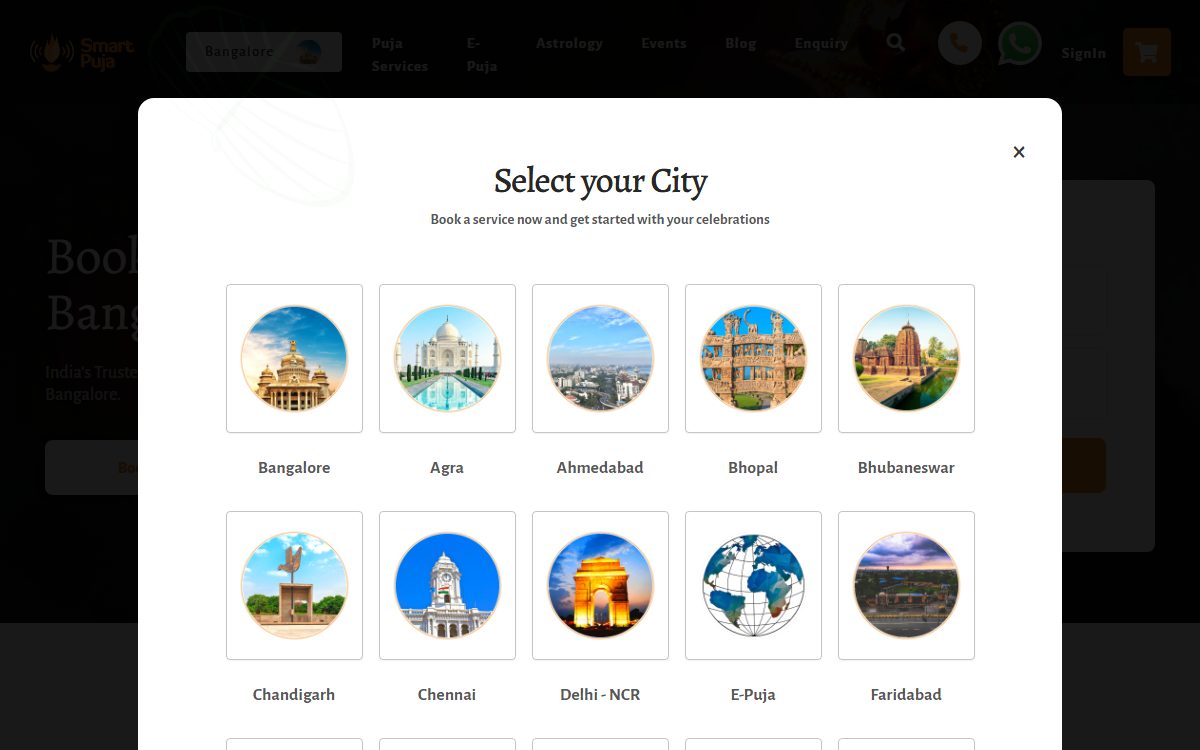
For traditional puja services across India, SmartPuja connects families with verified pandits across 21+ cities including Bangalore, Delhi, Mumbai, and Pune…
Citation-rate gains aren't uniform across categories. Eight verticals where buyers heavily use AI search before purchase — and why GEO compounds there.
Buyers research deeply via AI before contacting. Authority signals (credentials, case studies) compound fast.
Long sales cycles + technical buyers = AI-assisted comparison shopping. GEO drives shortlist inclusion.
GBP + AI Overview convergence. Local entity work powers both Google Maps Pack and AI 'near me' answers.
Product comparison AI use is rising fast. Schema-rich product pages get cited in 'best X for Y' queries.
YMYL space — citations require strict E-E-A-T. Specialist credentials and medical-review schema matter.
Students research providers via AI. Wikipedia/Wikidata presence + accreditation schema drive citations.
Geographic + transactional intent. Geo-Grid Method™ + neighbourhood entity markup wins local AI queries.
Review-heavy category. AggregateRating schema + Wikipedia-eligible properties get cited in trip planning.
The same entity + schema work that wins Google also wins AI search. These wins started on Google and now compound across the AI ecosystem.

These tactics are sold by cheap agencies. They don't just fail — they actively damage your citation likelihood for months.
LLMs detect and de-weight AI-written content at the citation layer. The trained models pattern-match their own writing style and prefer authentic human-authored content.
LLMs trained on Reddit weight comment quality + karma + age. Sock-puppet seeding fails the trust filter and risks platform-level penalties.
Adding FAQPage to non-FAQ content, fake Review schema, mismatched LocalBusiness markup — Google flags these in Search Console and discounts the entity.
Paid mention sites (gambling-tier content farms) actively harm citation likelihood. LLMs blacklist domains used in paid-link networks.
Mentioning your brand 50× on a single page doesn't increase citation. Entity clarity (who you are, what you do, where) matters more than density.
Wikipedia, Reuters, BBC, government sites, GitHub READMEs, academic papers — these are the high-trust training inputs. Optimize for being cited THERE first.
Monthly reports cover all five. Screenshots and exports included for every claim — same level of evidence as a Google Search Console audit.
Out of N buyer-intent prompts, how many cite your brand. Tracked monthly across all 12 engines.
Direct from Google Search Console. The only first-party data source on AI Overview visibility.
Share-of-voice vs top 5 competitors. Measured as % of prompts where you appear vs them.
Direct traffic from AI platforms via UTM-tagged links where available. ChatGPT, Perplexity, Copilot supported.
Movement in Google KG, Wikidata Q-number changes, new sameAs cross-links. Captured quarterly.
All pricing in USD. Actual rates depend on industry competitiveness, existing site state, and geographic scope.
Three of 93+ verified five-star reviews — clients whose work used the same entity + schema methodology this page describes.

We've had the pleasure of working with Kunal and his team for our new portal's SEO and SEM setup. His deep knowledge and expertise in SEO strategies and tactics have been invaluable. He understood our needs well, helped strategize and implement a long-term SEO strategy for SmartPuja.com. Kunal consistently exceeds expectations with his results-driven approach and exceptional attention to detail.

Over the years I have worked with many SEO companies. I was first drawn to Kunal after stumbling across his incredible SEO results — sustainable long-term growth across all metrics. The results have been jaw-dropping. We are ranking on page 1 for keywords I thought would be impossible. By far the most knowledgeable consultant I have come across in 8+ years of online business.

Kunal Dabi is one among the few SEO Consultants who has the ability to clearly understand his clients' needs. We have worked together on more than 400 SEO related projects. His Audience-First mindset, data-driven decision making and execution makes him one of the best SEO experts in India. Highly Recommended!
Free 50-prompt visibility audit across all 12 AI engines — ChatGPT, Gemini, Copilot, Perplexity, Claude, DeepSeek, Meta AI, Grok, Mistral, Kimi, You.com, Phind. 5 business days. No card on file.
Request the audit →